F1 qualifying is one of the most exciting parts of a Formula 1 weekend. It decides where each driver will start the race on Sunday. If you are new to Formula 1 or want a clear and simple explanation, this guide is for you.
In this article, you will learn what F1 qualifying is, how it works, why it matters, and how drivers use skill and strategy to get the best results.
What Is F1 Qualifying?
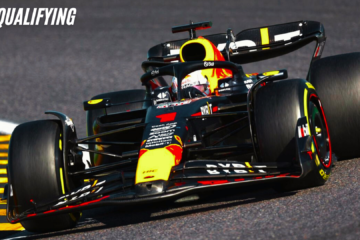
F1 qualifying is a timed session held before the main race. Its goal is simple:
to decide the starting order of all drivers on the race grid.
The faster a driver is during qualifying, the closer they start to the front. Starting near the front is crucial because it significantly increases the chances of winning the race.
Think of it like a school race:
- The fastest runners stand at the front
- Slower runners start further back
Why F1 Qualifying Is So Important
F1 qualifying is not just about speed. It affects the entire race.
Here’s why it matters:
- Clean air at the front helps cars go faster
- Less traffic means fewer crashes
- Overtaking is hard on many tracks
- Pole position gives a big advantage
Many races are won because of a strong qualifying result.
How F1 Qualifying Works (Step by Step)
F1 qualifying is split into three parts. Each part removes the slowest drivers.
H2: The Three Qualifying Sessions
H3: Q1 – First Round
- All 20 drivers take part
- Session lasts 18 minutes
- The slowest 5 drivers are eliminated
- Positions 16–20 are decided here
Drivers push hard to avoid getting knocked out early.
H3: Q2 – Second Round
- 15 drivers remain
- Session lasts 15 minutes
- Another 5 drivers are eliminated
- Positions 11–15 are decided
Tire choice becomes very important in this stage.
H3: Q3 – Final Shootout
- Top 10 drivers compete
- Session lasts 12 minutes
- Fastest lap wins pole position
- Determines positions 1–10
This is the most exciting part of F1 qualifying.
What Is Pole Position?
Pole position means starting first on the grid.
Benefits of pole position:
- Best chance to lead into the first corner
- Clear track ahead
- Lower risk of crashes
Many legendary drivers are famous for their qualifying speed.
F1 Qualifying Strategy Explained Simply
Qualifying is not just about driving fast. Teams also plan carefully.
Key strategy elements include:
- Tire selection (soft tires are fastest)
- Timing laps to avoid traffic
- Saving fuel
- Watching the weather changes
For example:
If rain is coming, drivers rush to set a fast lap early before the track gets wet.
How Tires Affect F1 Qualifying
Tires play a huge role in F1 qualifying.
Main tire types used:
- Soft tires – fastest but wear quickly
- Medium tires – balanced performance
- Hard tires – rarely used in qualifying
Most fast laps are done on soft tires because they give more grip.
Sprint Qualifying vs Normal Qualifying
Some race weekends use Sprint Qualifying.
Here’s how it’s different:
- Short race on Saturday
- Determines the grid for Sunday
- Less time, more action
- Rewards aggressive driving
Sprint formats add excitement but also increase risk.
Common Mistakes During F1 Qualifying
Even top drivers can make mistakes.
Common problems include:
- Track limits violations
- Traffic blocking fast laps
- Spinning or crashing
- Yellow or red flags are stopping laps
One small error can ruin an entire qualifying session.
Real-Life Example of F1 Qualifying Impact
Imagine two drivers:
- Driver A qualifies 1st
- Driver B qualifies 15th
Driver A:
- Starts clean
- Controls the race
- Has a higher win chance
Driver B:
- Must overtake many cars
- Faces traffic
- Higher crash risk
This shows why F1 qualifying is so important.
How Fans Can Enjoy F1 Qualifying More
To enjoy F1 qualifying:
- Watch live timing screens
- Follow team radio messages
- Learn track layouts
- Understand tire rules
Qualifying often has more pure speed than the race itself.
Conclusion: Why F1 Qualifying Is the Heart of Racing
F1 qualifying is more than a warm-up. It is a battle of speed, skill, and smart thinking. Drivers push their cars to the limit for one perfect lap. Teams plan every detail to gain even a tiny advantage.
From Q1 to pole position, every second matters. That is why fans love qualifying and why it plays a huge role in deciding who wins the race.
If you want to understand Formula 1 better, start by mastering F1 qualifying. It’s fast, exciting, and full of drama—just like racing should be. 🏁
0 Comments