Knockout qualifying is an exciting system used in motorsport, especially in Formula 1, to decide where drivers start the race. If you are new to racing, don’t worry. In this article, you will straightforwardly learn everything about knockout qualifying. Moreover, the explanations use clear examples, short sentences, and easy words so even a 10-year-old can understand.
What Is Knockout Qualifying?
Knockout qualifying is a race format where drivers compete in timed sessions. After each session, the slowest drivers drop out. As a result, only the fastest drivers move forward.
In simple terms:
- Drivers try to set the fastest lap
- Slow drivers get knocked out
- Fast drivers continue to the next round
Because of this system, every lap becomes important. Therefore, drivers must stay focused from start to finish.
Why Is It Called Knockout Qualifying?
The name knockout qualifying comes from knockout games in sports. For example, in football tournaments, teams lose once and then leave the competition.
Similarly, in knockout qualifying:
- Drivers get eliminated step by step
- Mistakes cause instant consequences
- Pressure increases in every round
Because of these reasons, fans enjoy watching knockout qualifying. Also, drivers feel more tension with each session.
How Knockout Qualifying Works Step by Step
Knockout Qualifying has three sessions. Each session removes slower drivers. Let’s look at them one by one.
Q1 – The First Session
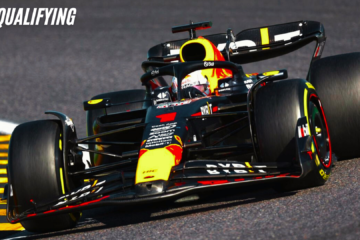
First, all 20 drivers enter Q1. This session lasts 18 minutes. During this time, drivers aim to record a fast lap.
After the session ends:
- The 5 slowest drivers leave qualifying
- These drivers start the race in positions 16 to 20
For example, if a driver hits traffic or makes a small mistake, they may lose time. As a result, they can get knocked out early.
Q2 – The Second Session
Next, 15 drivers continue into Q2. This session lasts 15 minutes. At this stage, drivers push harder because the risk becomes higher.
After Q2:
- Another 5 drivers drop out
- They earn grid positions 11 to 15
At the same time, teams think about strategy. For instance, they choose tires carefully because tire choice can affect the race later.
Q3 – The Final Session
Finally, only the top 10 drivers reach Q3. This session lasts 12 minutes. Now, drivers fight for the top spots.
The fastest driver in Q3:
- Wins pole position
- Starts first on the grid
Because everyone pushes to the limit, Q3 often delivers the most exciting moments of knockout qualifying.
What Is Pole Position and Why It Matters
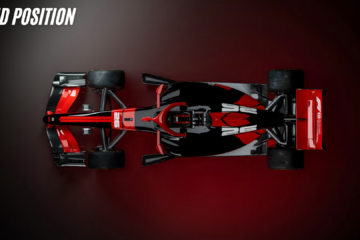
Pole position means starting the race from first place. This spot offers many advantages.
For example:
- The driver avoids traffic
- The car gets clean air
- The driver controls the race start
Therefore, drivers and teams work very hard to win pole position during knockout qualifying.
Important Terms Used in Knockout Qualifying
To understand knockout qualifying better, you should know some common terms:
- Fastest lap – The quickest lap time
- Flying lap – A full-speed lap after warming up
- Track limits – Rules about staying on the track
- Red flag – A stop due to an accident
- Grid penalty – A punishment that moves a driver back
Once you learn these terms, following knockout qualifying becomes much easier.
Why Knockout Qualifying Is So Exciting
Knockout qualifying creates excitement for many reasons. First of all, drivers must perform under pressure. Secondly, unexpected results can happen.
Here’s why fans love it:
- Every second counts
- Small errors cause big losses
- Weather changes add drama
- Underdogs can surprise everyone
For instance, when rain starts suddenly, a slower car might grab pole position. Because of this, knockout qualifying stays unpredictable.
Knockout Qualifying vs Older Qualifying Formats
Before knockout qualifying, racing used simpler systems. However, those systems felt slow.
In the past:
- Sessions lasted longer
- Action felt limited
- Fans waited a lot
Now, with knockout qualifying:
- Sessions feel faster
- Action stays constant
- Rules stay easy to follow
As a result, most fans prefer the modern knockout qualifying format.
Common Mistakes Drivers Make
Even skilled drivers struggle in knockout qualify sometimes. For example, they may wait too long in the garage. Then, traffic blocks their lap.
Other common mistakes include:
- Crossing track limits
- Poor timing on out-laps
- Red flags ruining fast laps
Because mistakes cost positions instantly, drivers must stay sharp at all times.
Where Is Qualifying Used?
Knockout appears mainly in:
- Formula 1
- Junior racing series
Although other racing events use different systems, knockout remains the most famous and widely followed format.
Conclusion: Why Qualifying Is Important
In conclusion, knockout is a thrilling and fair way to set the race grid. It rewards speed, skill, and smart thinking. Moreover, the three-session format keeps fans engaged and drivers under pressure.
If you want to understand modern motorsport, learning about knockout qualifyhelps a lot. Not only does it explain race preparation, but it also shows how strategy and speed work together.
0 Comments