F1 qualifying is one of the most exciting parts of a Formula 1 weekend. It decides where each driver will start the race on Sunday. A good qualifying result can help a driver win the race, while a bad one can make the race very hard.
In this article, you will learn what F1 qualifying is, how it works, why it matters, and see real-life examples—all explained in simple English.
What Is F1 Qualifying?
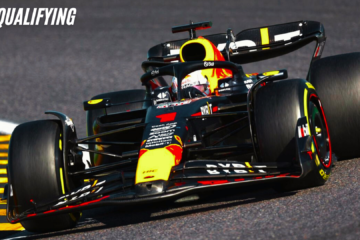
F1 qualifying is a timed session where drivers race against the clock, not each other. The goal is simple:
Set the fastest lap time possible.
The faster your lap time, the closer you start to the front of the grid.
Qualifying usually happens on Saturday, one day before the race.
Why F1 Qualifying Is So Important
F1 matters because Formula 1 races are very competitive. Overtaking is not always easy.
Here’s why a good qualifying position helps:
- You avoid traffic at the start
- You have a better chance of leading the race
- You control your race strategy
- You reduce the risk of crashes
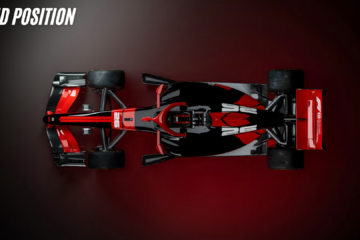
For example, starting P1 (pole position) gives a driver a big advantage, especially on tight tracks like Monaco.
How Does F1 Qualifying Work?
The Three Parts of F1 Qualifying
F1 qualifying is split into three sessions:
- Q1
- Q2
- Q3
Each session gets shorter and more intense.
Q1: The First Knockout Round
- Duration: 18 minutes
- All 20 drivers take part
- Drivers try to set fast lap times
At the end of Q1:
- The slowest 5 drivers are eliminated
- They start the race from positions 16 to 20
Example:
If a driver makes a mistake or gets stuck in traffic, they may drop out in Q1 even if they have a fast car.
Q2: The Midfield Battle
- Duration: 15 minutes
- 15 drivers remain
- Competition becomes tighter
At the end of Q2:
- Another 5 drivers are eliminated
- They start the race from positions 11 to 15
Q2 is where teams often play strategy with tires and timing.
Q3: The Fight for Pole Position
- Duration: 12 minutes
- Only the top 10 drivers
- This decides the front of the grid
The fastest driver in Q3 wins pole position.
Pole position means:
- Starting first
- Clean air
- Best chance to control the race
What Is Pole Position in F1 Qualifying?
Pole position is the first starting spot on the grid.
It is one of the biggest achievements in F1 qualifying because:
- It shows pure speed
- It boosts confidence
- It often leads to race wins
Many famous drivers, like Lewis Hamilton and Max Verstappen, are known for their amazing qualifying laps.
Tire Strategy in F1
Tires play a huge role in qualifying.
Teams choose from:
- Soft tires (fastest, less grip over time)
- Medium tires
- Hard tires (rarely used in qualifying)
Most fast laps are set on soft tires.
Sometimes teams take risks, like using older tires to save new ones for the race.
Common Mistakes During F1 Qualifying
Even the best drivers can make mistakes.
Common problems include:
- Going off track
- Traffic is blocking a fast lap
- Yellow or red flags
- Bad weather changes
One small error can ruin an entire qualifying session.
How Weather Affects Qualifying
Weather can change everything.
- Dry track: Fastest cars usually win
- Rain: Driver skill matters more than car speed
In wet qualifying sessions, surprise drivers often reach Q3 or even pole position.
This is why fans love watching F1 qualifying—it can be unpredictable.
F1 Sprint Qualifying (Short Explanation)
Some race weekends also have Sprint Qualifying.
In these events:
- Qualifying sets the grid for a short sprint race
- The sprint race affects the main race grid
This format adds more excitement and more action for fans.
Why Fans Love Qualifying
- It is fast-paced
- Every second matters
- Drivers push their limits
- One lap can change everything
Unlike the race, qualifying has no pit stops or long strategies—just pure speed.
Final Thoughts on Qualifying
Qualifying is a key part of Formula 1. It decides the starting grid, tests driver skill, and often shapes the race result. From Q1 eliminations to the thrilling fight for pole position, every moment counts.
Whether you are new to Formula 1 or a long-time fan, understanding F1 qualifying makes watching races even more exciting.
If you want to see drivers at their fastest and bravest, never skip F1 qualifying. 🏁
0 Comments